2026 Annual Meeting Session Speakers
Enrique Schisterman
Session: AI in Publishing, Tuesday September 15th, 10:30am-11:30am
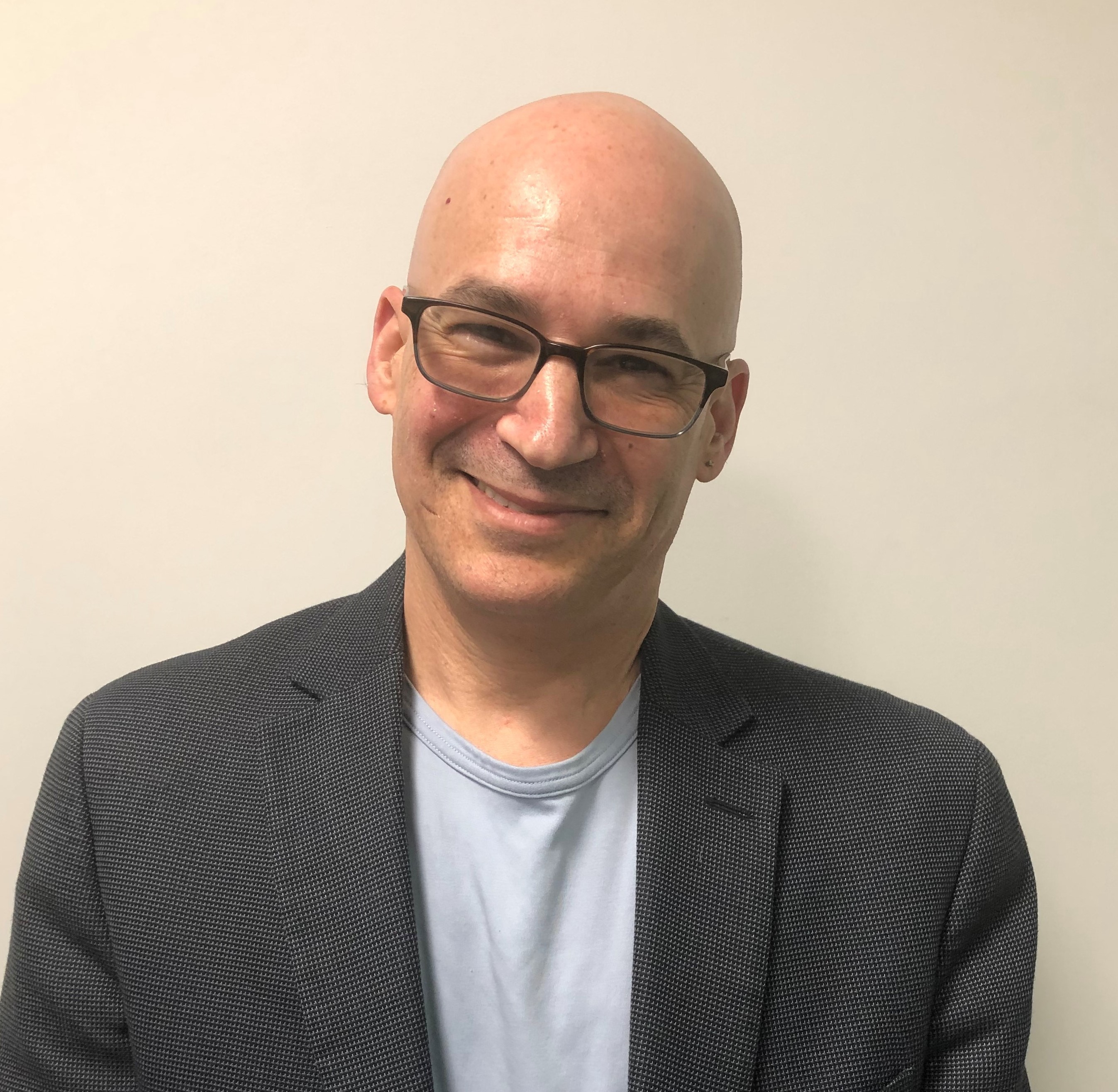 Dr. Enrique F. Schisterman is Perelman Professor, and Chair of the Department of Biostatistics, Epidemiology and Informatics at the Perelman School of Medicine. He is an elected member of the National Academy of Medicine, as well the editor in chief of the American Journal of Epidemiology. He is an international leader in reproductive epidemiology and epidemiological methods. His complementary training in biostatistics and epidemiology has enabled him to improve study designs; to fuel new methods; and to solve analytical challenges in reproductive health. He focuses especially on the methodological components of exposure assessment—particularly the use of biomarkers— causal inference and on the etiologic study of reproduction, including randomized trials of low-cost interventions to improve reproductive function. Dr. Enrique F. Schisterman is Perelman Professor, and Chair of the Department of Biostatistics, Epidemiology and Informatics at the Perelman School of Medicine. He is an elected member of the National Academy of Medicine, as well the editor in chief of the American Journal of Epidemiology. He is an international leader in reproductive epidemiology and epidemiological methods. His complementary training in biostatistics and epidemiology has enabled him to improve study designs; to fuel new methods; and to solve analytical challenges in reproductive health. He focuses especially on the methodological components of exposure assessment—particularly the use of biomarkers— causal inference and on the etiologic study of reproduction, including randomized trials of low-cost interventions to improve reproductive function.
Before joining Penn in 2021, Dr. Schisterman spent almost two decades at the National Institutes of Health, where he served as Senior Investigator and Chief of the Epidemiology Branch in the Division of Intramural Population Health Research at the Eunice Kennedy Shriver National Institute of Child Health and Human Development.
Dr. Schisterman currently serves as Principal Investigator on both the APPLE Trial and a PCORI-funded grant developing transportability methods for randomized trials, continuing his work at the intersection of clinical intervention research and methodological development. He has published more than 450 peer-reviewed papers and serves as Editor-in-Chief of the American Journal of Epidemiology. He has received numerous honors including the Outstanding Contributions to Epidemiology Award for Methods Development from the American College of Epidemiology, the Excellence in Education Award from the Society of Epidemiologic Research, and the SPER Mentoring Award. He is an elected member of the American Epidemiological Society and has served as president of both the Society for Epidemiologic Research and the Society for Pediatric and Perinatal Epidemiologic Research.
Roland Thorpe
Session: Advancing Black Men's Health Research: From Racial Differences to Equity-Focused Action, Monday September 14th, 12:30pm-4:00pm
 Roland J. Thorpe, Jr., PhD, MS, is a Professor in the Department of Health, Behavior, and Society, Founding Director of the Program of Men’s Health Research in the Hopkins Center for Health Disparities Solutions (HCHDS), Deputy Director of HCHDS, and Co-Director of the Johns Hopkins Alzheimer’s Disease Resource Center for Minority Aging Research at Johns Hopkins Bloomberg School of Public Health. He was the Co-Director of the Obesity Health Disparities PRIDE Program. He is the inaugural Associate Vice Provost of Faculty Diversity. Dr. Thorpe is a social epidemiologist whose research focuses on the association of how social, behavioral, and structural determinants of health impact cognitive, functional, and physical health outcomes among African Americans with a focus on men across the adult life course. Dr. Thorpe serves as multiple principal investigator (MPI) on several NIA funded grants and is a MPI of AIM-AHEAD with a focus on increasingthe participation and engagement of the researchers and communities that are currently not apparent in AI/ML modeling and applications through mutually beneficial partnerships. He participates in several training programs designed to develop scholars across career stages with a focus on early career investigators. He is a past recipient of the Johns Hopkins School of Public Health Advising, Mentoring, and Teaching Recognition Award, the inaugural annual 2018 NHLBI OHD PRIDE Roland J. Thorpe, Jr. mentoring award, recipient of the 2020 Minority Issues in Gerontology Outstanding Mentorship Award, and the 2020 JHBSPH Dean’s Award of Distinction in Faculty Mentoring. Dr. Thorpe is also the Editor in Chief of Ethnicity & Disease, Associate Editor for Innovation in Aging, Journal of Gerontology: Medical Sciences, and American Journal of Men’s Health. Roland J. Thorpe, Jr., PhD, MS, is a Professor in the Department of Health, Behavior, and Society, Founding Director of the Program of Men’s Health Research in the Hopkins Center for Health Disparities Solutions (HCHDS), Deputy Director of HCHDS, and Co-Director of the Johns Hopkins Alzheimer’s Disease Resource Center for Minority Aging Research at Johns Hopkins Bloomberg School of Public Health. He was the Co-Director of the Obesity Health Disparities PRIDE Program. He is the inaugural Associate Vice Provost of Faculty Diversity. Dr. Thorpe is a social epidemiologist whose research focuses on the association of how social, behavioral, and structural determinants of health impact cognitive, functional, and physical health outcomes among African Americans with a focus on men across the adult life course. Dr. Thorpe serves as multiple principal investigator (MPI) on several NIA funded grants and is a MPI of AIM-AHEAD with a focus on increasingthe participation and engagement of the researchers and communities that are currently not apparent in AI/ML modeling and applications through mutually beneficial partnerships. He participates in several training programs designed to develop scholars across career stages with a focus on early career investigators. He is a past recipient of the Johns Hopkins School of Public Health Advising, Mentoring, and Teaching Recognition Award, the inaugural annual 2018 NHLBI OHD PRIDE Roland J. Thorpe, Jr. mentoring award, recipient of the 2020 Minority Issues in Gerontology Outstanding Mentorship Award, and the 2020 JHBSPH Dean’s Award of Distinction in Faculty Mentoring. Dr. Thorpe is also the Editor in Chief of Ethnicity & Disease, Associate Editor for Innovation in Aging, Journal of Gerontology: Medical Sciences, and American Journal of Men’s Health.
Dr. Thorpe earned a bachelor’s in theoretical mathematics from Florida A&M University, a master’s in statistics, a Ph.D. in clinical epidemiology with a graduate minor in gerontology from Purdue University, and received postdoctoral training in health disparities and gerontology from the Division of Geriatric Medicine and Gerontology at the Johns Hopkins School of Medicine.
Yvonne Michael
Session: Beyond the Lecture: A Hands-On Workshop on Teaching Epidemiologic Reasoning, Monday September 14th, 8:00am-12:00pm
 Yvonne L. Michael, ScD, is Professor of Epidemiology and Biostatistics at Drexel University's Dornsife School of Public Health and serves on the Executive Board of the American College of Epidemiology. A social epidemiologist studying neighborhoods and healthy aging across cohorts including MESA and the WHI, she is also a committed educator known for project-based and student-centered methods teaching. Yvonne L. Michael, ScD, is Professor of Epidemiology and Biostatistics at Drexel University's Dornsife School of Public Health and serves on the Executive Board of the American College of Epidemiology. A social epidemiologist studying neighborhoods and healthy aging across cohorts including MESA and the WHI, she is also a committed educator known for project-based and student-centered methods teaching.
Melissa Kaufman
Session: Beyond the Lecture: A Hands-On Workshop on Teaching Epidemiologic Reasoning, Monday September 14th, 8:00am-12:00pm
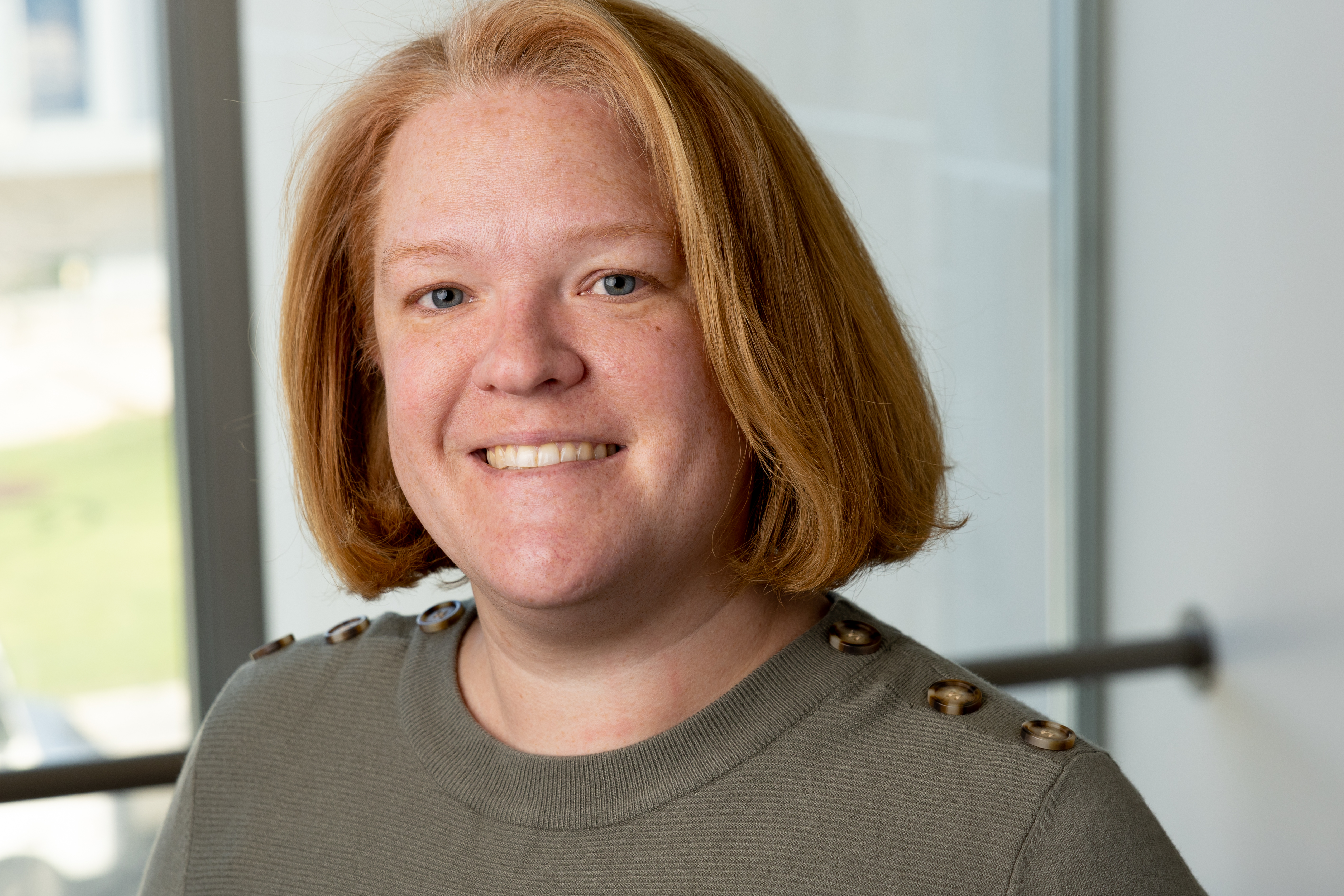 Dr. Melissa Kaufman is an accomplished educator and administrator with a robust background in public health education and instructional design. Currently serving as the Associate Dean for Education at Drexel University's Dornsife School of Public Health, she oversees the strategic direction of continuing education and educational operations. Her leadership has been instrumental in expanding online learning offerings, including the successful launch of multiple online master’s degrees and certificate programs. Dr. Kaufman is committed to enhancing educational accessibility and quality through innovative approaches and technology integration. Dr. Melissa Kaufman is an accomplished educator and administrator with a robust background in public health education and instructional design. Currently serving as the Associate Dean for Education at Drexel University's Dornsife School of Public Health, she oversees the strategic direction of continuing education and educational operations. Her leadership has been instrumental in expanding online learning offerings, including the successful launch of multiple online master’s degrees and certificate programs. Dr. Kaufman is committed to enhancing educational accessibility and quality through innovative approaches and technology integration.
Ross Koppell
Session: AI and Epidemiology for Learning Health Systems, Wednesday September 16th, 2:45pm-3:45pm
 Ross Koppel, PhD, FACMI, FIAHSI, has been at the University of Pennsylvania since 1991, and at the University at Buffalo since 2012. At both UB and Penn, he is professor of medical informatics. At Penn he is also adjunct professor of sociology. His work on healthcare IT (HIT) focuses on patient safety, integration of HIT with clinical workflow, usability, AI, evaluation and ethics. Koppel’s research influenced the profession’s understanding of human-computer interaction and their impact on patient safety. Many of his articles on usability, workflow, and ethics are considered seminal. Ross Koppel, PhD, FACMI, FIAHSI, has been at the University of Pennsylvania since 1991, and at the University at Buffalo since 2012. At both UB and Penn, he is professor of medical informatics. At Penn he is also adjunct professor of sociology. His work on healthcare IT (HIT) focuses on patient safety, integration of HIT with clinical workflow, usability, AI, evaluation and ethics. Koppel’s research influenced the profession’s understanding of human-computer interaction and their impact on patient safety. Many of his articles on usability, workflow, and ethics are considered seminal.
Prof. Ross Koppel is a Senior Fellow at the University of Pennsylvania’s Institute for Biomedical Informatics, a Fellow of the International Academy of Health Sciences Informatics; a Distinguished Fellow of the American College of Medical Informatics; a Senior Fellow of the Center for Public Health Initiatives; and a Senior Fellow of the Leonard Davis Institute for Healthcare Economics. He is also associate editor of Applied Clinical Informatic, Section Editor of the Journal of Translational Research, and Ethic Section Editor of the iEEE Journal of Biomedical and Health Informatics (JBHI). He also serves at the chair of AMIA’s Working Group on Ethics, Legal and Social Issues (ELSI).
Brian Dixon
Session: AI and Epidemiology for Learning Health Systems, Wednesday September 16th, 2:45pm-3:45pm
 Dr. Dixon is the Clem McDonald Professor of Biomedical Informatics at the Indiana University Richard M. Fairbanks School of Public Health and Director of the Center for Biomedical Informatics at the Regenstrief Institute. His work focuses on using data science, analytics, and artificial intelligence to improve population health across clinical and public health settings. Dr. Dixon studies how large‑scale clinical, administrative, and public health data can be transformed into actionable insights to strengthen disease surveillance, improve care delivery, and inform policy and program decisions. His research bridges data infrastructure, analytics, and real‑world implementation, with applications spanning chronic disease, infectious disease, maternal and child health, and health equity. Dr. Dixon is the Clem McDonald Professor of Biomedical Informatics at the Indiana University Richard M. Fairbanks School of Public Health and Director of the Center for Biomedical Informatics at the Regenstrief Institute. His work focuses on using data science, analytics, and artificial intelligence to improve population health across clinical and public health settings. Dr. Dixon studies how large‑scale clinical, administrative, and public health data can be transformed into actionable insights to strengthen disease surveillance, improve care delivery, and inform policy and program decisions. His research bridges data infrastructure, analytics, and real‑world implementation, with applications spanning chronic disease, infectious disease, maternal and child health, and health equity.
Dr. Dixon teaches and mentors future leaders in biomedical informatics, public health, and health services research. Dr. Dixon also has a part-time role as a Health Research Scientist at the U.S. Department of Veterans Affairs where he applies informatics to solve challenges facing care delivery to our nation’s heroes.
Dr. Dixon has published over 220 peer-reviewed articles and 25 book chapters. He is further the editor of three highly acclaimed books on clinical informatics, public health informatics, and health information exchange (which received Book of the Year from HIMSS in 2017). Dr. Dixon’s work on the COVID-19 pandemic was heralded by the Governor of Indiana, AcademyHealth, and news media. Dr. Dixon was named a Research Frontiers Trailblazer by IU Indianapolis (formerly IUPUI) in 2018. He is a Fellow of the American College of Medical Informatics (ACMI), American Medical Informatics Association (AMIA), Health Information Management Systems Society (HIMSS), and International Academy of Health Science Informatics (IAHSI). He is also an Elected Member of the American College of Epidemiology.
Mauricio Rodríguez Álvarez
Session: Global Measles Outbreaks, Tuesday September 15th, 11:30am-12:30pm
 Mauricio Rodríguez Álvarez earned his medical degree from the Faculty of Medicine and his PhD in Biochemical Sciences from the Faculty of Chemistry at the National Autonomous University of Mexico (UNAM). At UNAM, he teaches Microbiology at the Faculty of Medicine and works at the University Program for Research on Epidemiological and Emerging Risks (PUIREE). His professional work focuses on vaccine-preventable diseases, antimicrobial resistance, and pandemic preparedness. He is a member of Mexico’s National System of Researchers and serves as Coordinator of Mexico’s National Immunization Technical Advisory Group (NITAG). During the COVID-19 pandemic, he served as spokesperson for UNAM’s Special Commission for the COVID-19 Emergency. Mauricio Rodríguez Álvarez earned his medical degree from the Faculty of Medicine and his PhD in Biochemical Sciences from the Faculty of Chemistry at the National Autonomous University of Mexico (UNAM). At UNAM, he teaches Microbiology at the Faculty of Medicine and works at the University Program for Research on Epidemiological and Emerging Risks (PUIREE). His professional work focuses on vaccine-preventable diseases, antimicrobial resistance, and pandemic preparedness. He is a member of Mexico’s National System of Researchers and serves as Coordinator of Mexico’s National Immunization Technical Advisory Group (NITAG). During the COVID-19 pandemic, he served as spokesperson for UNAM’s Special Commission for the COVID-19 Emergency.
David Huang
Session: Breakout from Dr. McDonald Keynote – Group Discussion Moderator, Wednesday September 16th, 11:30am-12:30pm
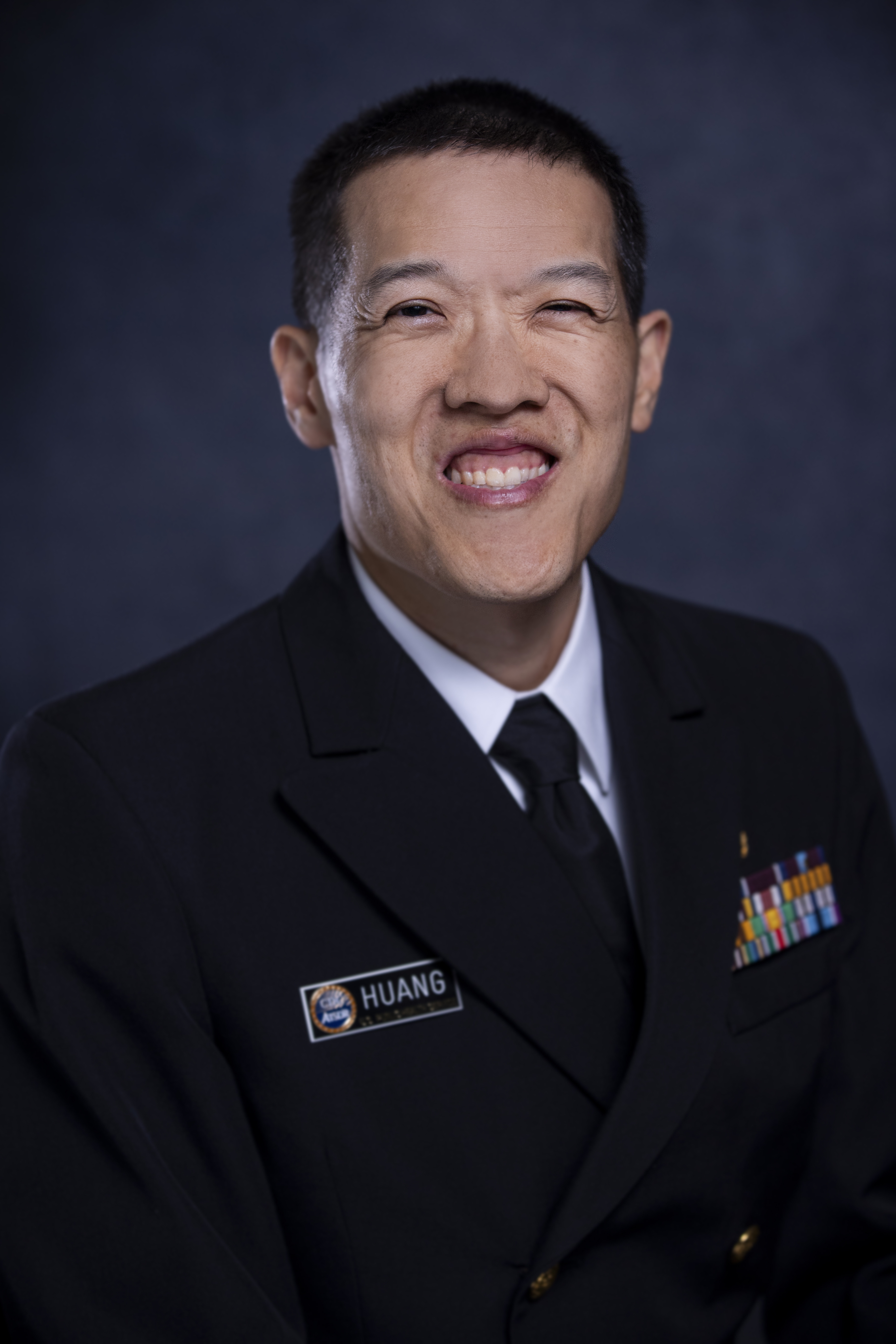 Bio forthcoming... Bio forthcoming...
Patrick Sullivan
Session: AI in Publishing, Tuesday September 15th, 10:30am-11:30am

Patrick Sullivan is Charles Howard Candler Professor of Epidemiology at Emory University’s Rollins School of Public Health, the Co-Director of the Prevention Sciences Core at Emory’s Center for AIDS Research (CFAR), and a current member of the US Presidential Advisory Council on HIV/AIDS. He served at the US Centers for Disease Control from 1994-2008. His career has included work on HIV surveillance at the US Centers for Disease Control and Prevention, HIV vaccine research at NIH-supported HIV Vaccine Trials Network, and research on technology-enabled HIV prevention for MSM supported by the US NIH and CDC. He serves as Editor in Chief of Annals of Epidemiology.
Amanda Hunt
Session: Decentralized Justice, Centralized Evidence: Challenges in Applying Epidemiology in U.S. Courts, Wednesday September 16th, 1:45pm-2:45pm
 Amanda’s practice centers on products liability litigation, including federal multidistrict litigation. She has a special interest in the intersection of science, law, and public health. At Keller Postman, she worked on behalf of servicemembers in the 3M Combat Arms Earplugs litigation, participating in multiple bellwether trials and working with leading experts to secure compensation for injured plaintiffs. Amanda also serves on the Plaintiffs’ Executive Committee for the ASD-ADHD Products Liability Litigation, MDL 3043, in the United States District Court for the Southern District of New York. In that role, she is co-chair of the Science Committee, overseeing the management of experts and scientific issues within the MDL. Amanda also works on Depo Provera litigation, advocating on behalf of women who have developed brain tumors as a result of exposure, as well as Hair Relaxer litigation, advocating on behalf of women and girls who have been injured by dangerous chemicals found in those products. Amanda’s practice centers on products liability litigation, including federal multidistrict litigation. She has a special interest in the intersection of science, law, and public health. At Keller Postman, she worked on behalf of servicemembers in the 3M Combat Arms Earplugs litigation, participating in multiple bellwether trials and working with leading experts to secure compensation for injured plaintiffs. Amanda also serves on the Plaintiffs’ Executive Committee for the ASD-ADHD Products Liability Litigation, MDL 3043, in the United States District Court for the Southern District of New York. In that role, she is co-chair of the Science Committee, overseeing the management of experts and scientific issues within the MDL. Amanda also works on Depo Provera litigation, advocating on behalf of women who have developed brain tumors as a result of exposure, as well as Hair Relaxer litigation, advocating on behalf of women and girls who have been injured by dangerous chemicals found in those products.
Before joining Keller Postman, Amanda was an associate at Clark, Love & Hutson and Huber Thomas & Marcelle, where she interfaced with experts, managed multidistrict litigation dockets, and litigated personal-injury claims. Amanda served as a law clerk to Judges Fredericka H. Wicker and Stephen Windhorst of the Louisiana Fifth Circuit Court of Appeal. As a clerk, Amanda worked on complex civil and criminal appeals and supported Judge Wicker in her work leading Louisiana’s Judicial College. Following her clerkship, Amanda served as a public defender in Louisiana’s rural Fifth Judicial District, where she tried multiple criminal cases to verdict. Ms. Hunt also served as the District’s Louisiana State Bar Association Delegate for the Fifth Judicial District.
Amanda graduated magna cum laude from Tulane University School of Law and received her undergraduate degree from American University.
Katia Noyes
Session: Implementation Science 101, Monday September 14, 8am-12pm
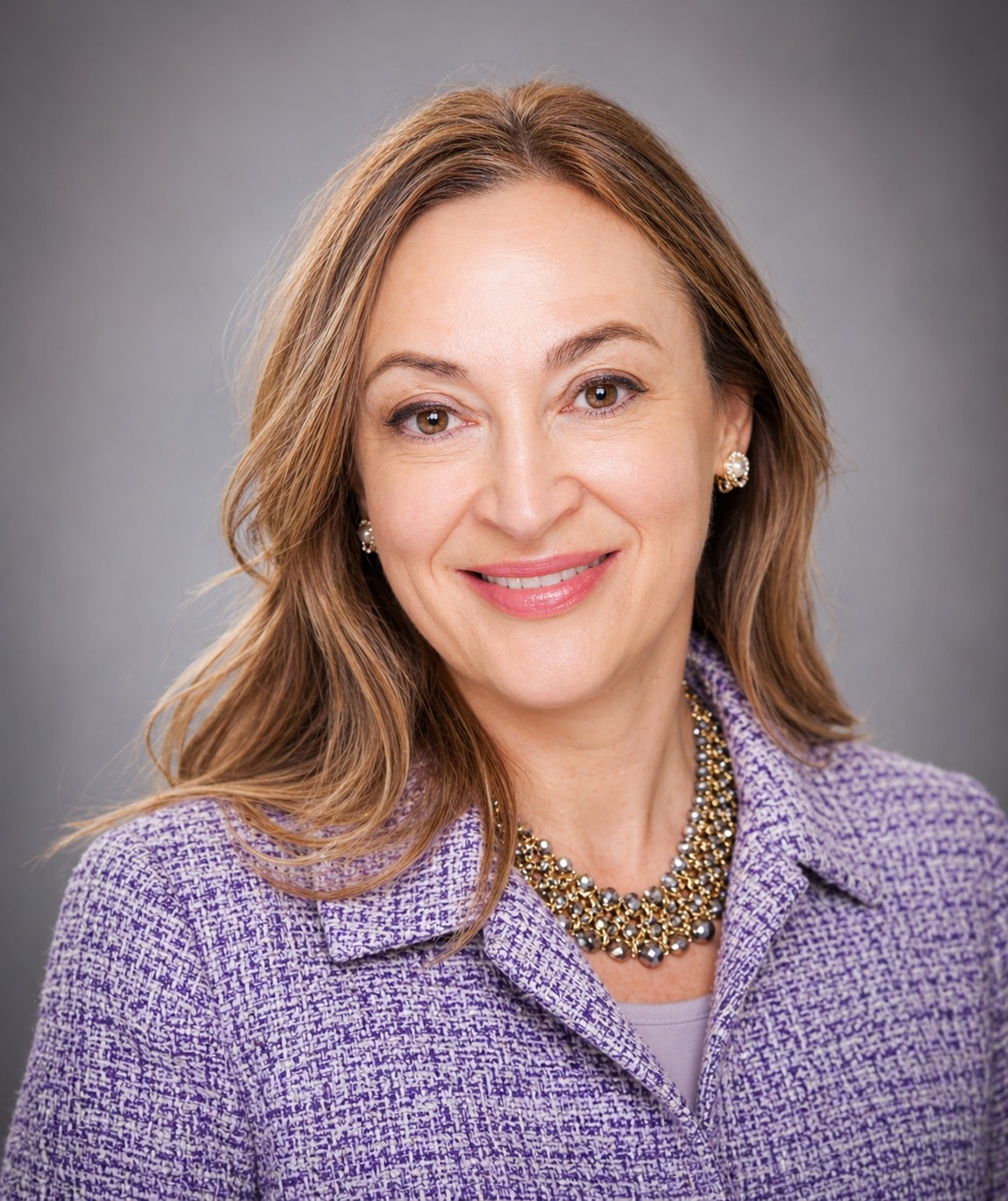 I am Professor and Director of the Division of Health Services Policy and Practice, Department of Epidemiology and Environmental Health, in the School of Public Health and Health Professions (SPHHP), University at Buffalo (UB). Additionally, I am Associate Dean for Translational and Team Sciences, SPHHP. I am also Director of Surgical Outcomes and Research (UB SOAR), for UB Department of Surgery, Jacobs School of Medical and Biomedical Sciences (JSMBS). I have a broad background in translational research with expertise in mixed methods, health outcomes and quality of care assessment, economic evaluations, team science and implementation research in healthcare. I specialize in multilevel intervention development and evaluation and have successfully led and participated in numerous interdisciplinary teams related to cancer research. My research program is supported by federal and private sources including NIH, AHRQ, PCORI, and private foundations, among others. Recent projects include the development and evaluation of video-based and problem-solving interventions to increase cancer screening among racial minorities, low health literacy populations, and other underserved groups and identifying strategies for reducing the burden of weight-related disability, mortality and healthcare costs. Through collaborations with healthcare systems, health information exchanges, community organizations, and patient stakeholders, I have helped create and sustain regional research networks focused on improving cancer care delivery and health outcomes. My research has also examined obesity-related health outcomes, surgical quality, healthcare utilization, and innovative care delivery models. I am Professor and Director of the Division of Health Services Policy and Practice, Department of Epidemiology and Environmental Health, in the School of Public Health and Health Professions (SPHHP), University at Buffalo (UB). Additionally, I am Associate Dean for Translational and Team Sciences, SPHHP. I am also Director of Surgical Outcomes and Research (UB SOAR), for UB Department of Surgery, Jacobs School of Medical and Biomedical Sciences (JSMBS). I have a broad background in translational research with expertise in mixed methods, health outcomes and quality of care assessment, economic evaluations, team science and implementation research in healthcare. I specialize in multilevel intervention development and evaluation and have successfully led and participated in numerous interdisciplinary teams related to cancer research. My research program is supported by federal and private sources including NIH, AHRQ, PCORI, and private foundations, among others. Recent projects include the development and evaluation of video-based and problem-solving interventions to increase cancer screening among racial minorities, low health literacy populations, and other underserved groups and identifying strategies for reducing the burden of weight-related disability, mortality and healthcare costs. Through collaborations with healthcare systems, health information exchanges, community organizations, and patient stakeholders, I have helped create and sustain regional research networks focused on improving cancer care delivery and health outcomes. My research has also examined obesity-related health outcomes, surgical quality, healthcare utilization, and innovative care delivery models.
ACE Scholars
Giovanni (Gio) Appolon
 Giovanni (Gio) Appolon, PhD, RRT, is a first-year postdoctoral fellow at the University of California, San Francisco (UCSF) Center for Tobacco Control Research and Education (CTCRE). He completed his doctorate in Epidemiology through the Joint Doctoral Program in Public Health at San Diego State University and the University of California, San Diego. Giovanni (Gio) Appolon, PhD, RRT, is a first-year postdoctoral fellow at the University of California, San Francisco (UCSF) Center for Tobacco Control Research and Education (CTCRE). He completed his doctorate in Epidemiology through the Joint Doctoral Program in Public Health at San Diego State University and the University of California, San Diego.
Prior to pursuing doctoral training, Gio worked as a Registered Respiratory Therapist for more than 10 years in acute and critical care settings, caring for patients with a wide range of respiratory and pulmonary diseases. These experiences provided firsthand insight into the burden of tobacco-related illness on patients, families, and healthcare systems and inspired his transition into tobacco control research and public health.
Gio’s research focuses on tobacco control policy, health equity, and social epidemiology. His work examines the effectiveness of tobacco control policies, their influence on health behaviors, and disparities in policy implementation and impact across populations.
As a postdoctoral fellow at UCSF, Gio seeks to generate evidence that informs equitable tobacco control policies and advances efforts to reduce tobacco-related health disparities.
Junjie (Anderson) Lu
 Junjie Lu is a PhD candidate in Epidemiology and Population Health at Stanford University School of Medicine. He is a 2026 ACE Scholar and a Stanford Graduate Fellowship (SGF) recipient, one of the university's highest academic honors. Junjie Lu is a PhD candidate in Epidemiology and Population Health at Stanford University School of Medicine. He is a 2026 ACE Scholar and a Stanford Graduate Fellowship (SGF) recipient, one of the university's highest academic honors.
His research applies modern causal inference methods, including targeted maximum likelihood estimation, Super Learner, and multilevel analysis of individual heterogeneity and discriminatory accuracy (MAIHDA), to questions in perinatal health, pharmacoepidemiology, and health disparities among sexual and gender minority populations. He works primarily with large-scale electronic health record and cohort data, including Epic Cosmos, All of Us, and Add Health.
Junjie holds an MPH from the Harvard T.H. Chan School of Public Health and a medical degree with psychiatry training from Shanghai University of Traditional Chinese Medicine. This background continues to shape his interest in bridging rigorous quantitative methods with traditional medicine and cross-cultural perspectives on population health.
His work has appeared in JAMA Network Open, Archives of Sexual Behavior, and American Journal of Preventive Medicine, among other journals. He has also been recognized with a departmental teaching award across Stanford's epidemiology curriculum.
Hebatalla (Heba) Shamseldin
 Heba is currently a Population Health Service Fellow at the Bureau of Environmental and Occupational Health in the State Department of Health Services in Wisconsin. Heba recently received her MS in Global Health & Population from the Harvard T.H. Chan School of Public Health, where she concentrated in Infectious Disease Epidemiology and Humanitarian Studies. Before and throughout her degree program, she supported humanitarian operations in crisis- and disaster-affected settings through research and coordination for mobile health delivery initiatives and decision-support tools for emergency outbreak response. Her graduate thesis examined how water, sanitation, and hygiene (WASH) conditions at both the household and community levels interact with broader contextual exposures, including conflict and violence, to shape infectious disease risk among children. Underlying much of her work is interest in the relationship between place and health: how the environments people inhabit, whether resettlement camps, worksites, or farms, influence their health outcomes, vulnerability, and access to systems of protection and care. Heba is currently a Population Health Service Fellow at the Bureau of Environmental and Occupational Health in the State Department of Health Services in Wisconsin. Heba recently received her MS in Global Health & Population from the Harvard T.H. Chan School of Public Health, where she concentrated in Infectious Disease Epidemiology and Humanitarian Studies. Before and throughout her degree program, she supported humanitarian operations in crisis- and disaster-affected settings through research and coordination for mobile health delivery initiatives and decision-support tools for emergency outbreak response. Her graduate thesis examined how water, sanitation, and hygiene (WASH) conditions at both the household and community levels interact with broader contextual exposures, including conflict and violence, to shape infectious disease risk among children. Underlying much of her work is interest in the relationship between place and health: how the environments people inhabit, whether resettlement camps, worksites, or farms, influence their health outcomes, vulnerability, and access to systems of protection and care.
Rolando F. Trejos
 Dr. Rolando F. Trejos is an epidemiologist who applies causal inference and longitudinal data analysis to evaluate the complex interplay among clinical, behavioral, environmental, and genetic determinants of disease across the lifecourse, with a focus on developing and evaluating contextually relevant interventions for populations experiencing a disproportionate burden of disease and disease-related risk factors. Dr. Rolando F. Trejos is an epidemiologist who applies causal inference and longitudinal data analysis to evaluate the complex interplay among clinical, behavioral, environmental, and genetic determinants of disease across the lifecourse, with a focus on developing and evaluating contextually relevant interventions for populations experiencing a disproportionate burden of disease and disease-related risk factors.
|