

2025 Board of Directors CandidatesClick Here to Vote!Click below to navigate to each candidate: Eyal Oren, PhD, MS, FACE, FATS (President-Elect)Edward S. Peters, DMD, SM, ScD, FACE (President-Elect)Akshaya Bhagavathula (Fellow Director)Endia J. Crabtree, PhD, FACE, CDP, BCMAS (Fellow Director)Tekeda Freeman Ferguson, MPH, MSPH, PhD (Fellow Director)Jason L. Salemi, PhD, MPH, FACE (Fellow Director)Shawanda Daniel, DrPH (Associate Director)Regina Nwamaka Nechi, BSc, BPharm (Associate Director)President-Elect (Vote for 1)
Title and affiliation: Director, Professor, Division of Epidemiology & Biostatistics, School of Public Health, San Diego State University (SDSU); Director, Prevention Research Center; Core Investigator, Institute for Behavioral and Community Health Education: I hold an undergraduate degree in Neurobiology and Behavior from Cornell University and PhD and MS degrees in Epidemiology from the University of Washington. Career summary prior to current position: For eight years I worked in Seattle-King County Public Health, and my applied public health practice background has been instrumental in my viewing the importance of academic-community linkages as well as translation of evidence into policy. As such I have served on health advisory groups in both Washington State, Arizona, the CDC as well as community non-profits. I led a TB surveillance and outbreak team in Seattle and King County, Washington. I was also a Monitoring and Evaluation consultant working with PATH, including provision of expertise on development and submission of successful applications for funding to the Global Fund to Fight AIDS, TB and Malaria. Prior to coming to SDSU, I served as faculty in the College of Public Health at the University of Arizona from 2013-2017. I have been at SDSU for eight years, including completing a sabbatical as a visiting professor in Denmark Spring 2025. Honors and Awards: Presidential Research Faculty Fellow, San Diego State University, Moores Cancer Center First Time Cancer Investigator Award; Inductee, Scholarly Teaching Academy, Center for Teaching and Learning, SDSU, Faculty Excellence in Teaching Award Finalist, University of Arizona, Career Development Award (KL2), University of Arizona, Elected Fellow, American College of Epidemiology Why do you want to serve as a leader of the College? With roots in both public health practice and academic leadership, I’ve always believed that collaboration and inclusivity are at the heart of meaningful progress in our field. I’m passionate about expanding the reach and relevance of our work—engaging epidemiologists in every sector and embracing pressing public health challenges such as misinformation, climate change, and health systems transformation. A central focus for me is supporting the public health workforce. Through national efforts like the Consortium for Public Health Workforce Development and my work co-leading the innovative Academic Health & Human Services Department in San Diego, I’ve prioritized building a strong, diverse, and well-supported community. My experience within ACE over the past decade has been incredibly rewarding, and I’ve been fortunate to work alongside thoughtful, skilled, and generous colleagues. These relationships, along with leadership experience across various settings, have shaped my vision for a more connected, inclusive, and supportive organization. Above all, I see leadership as a chance to listen deeply, lift others up, and create space for voices that have historically been underrepresented. I hope members will see me as someone who’s approachable and easy to talk to. I welcome ideas, feedback, or even just a conversation—and would be honored to serve as someone members can turn to with confidence. What are your qualifications and experience that will help you in service as a leader? I currently serve as the Director of the School of Public Health at San Diego State University (SDSU), CEPH-accredited since 1985 and enrolling over 700 undergraduate and 300 graduate students. This experience has prepared me well in resource negotiation, conflict resolution, and inclusive leadership in a complex university environment. I am also a tenured Professor of Epidemiology & Biostatistics with both research and practice experience. My training is as an infectious disease, respiratory and social epidemiologist, with expertise in respiratory health, and numerous projects in COVID-19, TB, flu, tobacco exposure and asthma. I have also worked at the interface of infectious etiologies and chronic disease outcomes, particularly cancers. I have published 140+ peer-reviewed publications and book chapters as well as a recent epidemiology textbook and have served as principal investigator or co-investigator on over 30 grants totaling more than $25 million. My research career has trained me as a leader and mentor in complex teams which include staff, students, community members and other faculty. I have held several leadership roles on national organizations, including serving as a Fellow Representative on the American College of Epidemiology Board of Directors and serving on multiple American Thoracic Society, ASPPH and APHA Committees. I have recently been involved in launching an inaugural Doctor of Public Health (DrPH) program. I am also a site visitor for the Council on Education for Public Health (CEPH). Programmatic leadership experiences such as these have allowed me to learn how to design, negotiate and implement intricate proposals and curricula with multiple stakeholders and to understand the ins and outs of high-quality training and mentorship needs for epidemiologists. Describe your prior experience with the American College of Epidemiology. I have been an active member with ACE for over fourteen years. My service with ACE has included chairing the Education Committee (2019-2021), serving as vice-chair of the Publications Committee (2016-2017) and Education Committee (2021-2023) and serving on three conference planning committees (including the upcoming meeting in Pasadena). I am an Editorial Board member for the Annals of Epidemiology. I served on the Board of Directors from 2021-2024 and have been an ACE Fellow since 2014.
Title and affiliation: Professor and Chair, Department of Epidemiology, College of Public Health, Co-Director, Cancer Prevention and Control Program, Fred and Pamela Buffett Cancer Center University of Nebraska Medical Center, Omaha, NE Education:
Career summary prior to current position: My professional journey includes many experiences relevant to leading the American College of Epidemiology (ACE). Since joining the University of Nebraska Medical Center (UNMC) as professor and chair of the Department of Epidemiology in August 2021, I have led efforts to expand teaching, research, and scholarship in epidemiology within the department. I have emphasized building collaborative programs, focused on nurturing faculty development and mentoring junior researchers. I was honored in 2024 with UNMC’s Distinguished Scientist Award, recognizing my leadership in research. Most recently, I was invited to be in the NU DEAL (Developing Excellence in Academic Leaders) Fellowship, a two-year leadership development program within the University of Nebraska system. It is designed for current academic leaders to expand their leadership skills and prepare the next generation of higher education leaders. Before my current role at the University of Nebraska Medical Center, I spent 17 years at Louisiana State University Health Sciences Center School of Public Health, advancing from Assistant Professor to Professor with tenure in Epidemiology. There, I directed the Epidemiology Program and Data Center, contributed to the development of MPH and PhD curricula, taught epidemiology courses, and mentored students at all levels. My research focused on cancer epidemiology, health disparities, and chronic disease. With funding from NIH and CDC, I conducted collaborative studies on the social determinants of health and disparities. I also served on institutional committees, including Vice Chair of the Institutional Review Board, and participated in national organizations such as the ACE. Previously, I was at the Harvard Schools of Dental Medicine and Public Health, where I contributed to research and teaching in oral medicine, health policy, and epidemiology. At Brigham and Women’s Hospital, I served as Associate Surgeon and later as Chief of the Division of Oral Medicine and Dentistry, overseeing clinical operations and residency training. At Dana-Farber Cancer Institute, I served as Director of Dental Services, focusing on dental care for cancer patients. Currently, I serve as the principal investigator on NIH-funded projects, including studies on the effects of environmental factors and social stressors on epigenetic age acceleration and chronic health disparities. These experiences have provided a broad perspective on advancing epidemiology through education, research, mentorship, and service. Honors and Awards:
Why do you want to serve as a leader of the College? I am honored to be nominated as President-elect of the American College of Epidemiology (ACE). Every day, I am grateful for choosing epidemiology—a field that continues to inspire my teaching, research, and service. My dedication was recently recognized with my department’s first and perhaps only “Epidemiology Evangelist” award, a distinction that highlights my commitment to inspiring others in our field. I am deeply committed to training the next generation of epidemiologists. Having taught and mentored many students and junior faculty, I take pride in supporting their engagement with ACE and the wider public health community. In 2025, epidemiology faces significant challenges: polarization, declining public trust, underfunding, and the spread of misinformation. Threats to scientific integrity and limitations on data collection further complicate efforts to address infectious and chronic diseases and health disparities. Additionally, the widespread availability of artificial intelligence software has significant implications for research and education. If elected, I will leverage my passion, experience, and vision to unite ACE members, strengthen our national voice, and elevate ACE’s presence by forging strategic partnerships to ensure ACE remains a trusted leader for epidemiologic science and public health during these critical times. My objective is that ACE not only supports its members but also leads the way in preparing the next generation of epidemiologists to meet the challenges of a rapidly evolving world. Together, we can ensure ACE is the professional home and national voice for epidemiology. What are your qualifications and experience that will help you in service as a leader? With a strong background in epidemiology and public health, I'm well-equipped to lead ACE in today’s complex landscape. As a Professor and Chair of Epidemiology at UNMC, I've successfully navigated the department through various organizational changes, workforce challenges, and shifting priorities. Throughout my leadership roles, I've developed the ability to build consensus among diverse stakeholders, manage large and complex organizations, and foster collaboration across disciplines and institutions. With 16 years of experience in ACE, serving in various roles, including the ACE Board of Directors, Ethics Committee, and co-chairing the Epidemiology Congress of the Americas, I've gained a deep understanding of our organization’s mission and the needs of our members. I have a strong background in communicating scientific information to both professional and public audiences, which is crucial for rebuilding trust and addressing misinformation in a time of increasing polarization and declining public confidence in health institutions. Through my research in cancer epidemiology, health disparities, and social determinants of health, I've gained the ability to advocate for equity and tackle underfunded infrastructure and workforce shortages. I'm dedicated to promoting transparency, evidence-based policy, and collaborations. These experiences have equipped me with the skills and vision to bring ACE members together, amplify our voice in national policy, and elevate the profile of ACE through strategic partnerships. By doing so, we'll ensure ACE remains a visible and trusted leader in advancing epidemiologic science and public health. Describe your prior experience with the American College of Epidemiology. I have been actively involved with the ACE since 2004, when I was first introduced to the organization as a young faculty member. Since then, I have contributed to the organization in various leadership, ethics, educational, and collaborative roles. As a current member (since 2022) of the ACE Board of Directors, I help guide the organization’s strategic direction and support its mission to advance the field of epidemiology. I have been involved with the ACE Ethics Committee for approximately 16 years. I have served as a member of the Ethics Committee from 2009 to 2013, Vice Chair from 2013 to 2016, Chair from 2017 to 2020, and as a member again since 2021. I have worked with ACE colleagues to revise and share ethics guidelines, organize educational sessions and workshops on research ethics at ACE Annual Meetings, and provide guidance on ethical issues that arise in our field. I have enjoyed presenting my research at ACE annual meetings and assisting with the planning of scientific sessions. In 2016, I was honored to represent ACE as Co-Chair of the Epidemiology Congress of the Americas, where I collaborated with leaders from other epidemiologic societies to develop the scientific program and foster interdisciplinary dialogue. Through these experiences, I remain committed to promoting ethical standards, education, research excellence, and collaboration within the epidemiology community and to supporting ACE’s mission and the professional growth of my colleagues in epidemiology and related disciplines. Fellow Director (Vote for 3)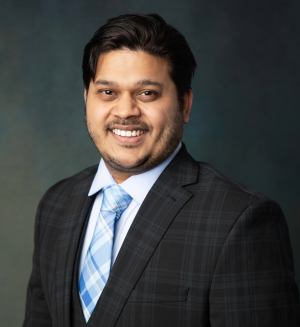 Akshaya Bhagavathula Akshaya Bhagavathula
Associate Professor, North Dakota State University Describe your current or prior service to ACE and why you are interested in serving on the Board. This advancement aligns with my ongoing commitment to furthering the field of epidemiology and my active contributions to the mission and initiatives of the ACE. The Fellow level represents a recognition of substantial contributions to the field of epidemiology and service to the College. With over a decade of global research and leadership experience, I have demonstrated an enduring commitment to advancing epidemiology through innovative research, teaching, mentorship, and organizational leadership. My election to the Board of Directors and co-chair roles within ACE committees signify my dedication to furthering the College's mission. I initially joined ACE to connect with a community of leading epidemiologists dedicated to advancing population health. My membership has facilitated meaningful collaborations, participation in thought-provoking conferences, and engagement with initiatives to promote professional growth and equity in epidemiology. Throughout my career, I have made significant contributions to the field, including:
I have actively contributed to ACE through:
Why do you want to serve as a leader of the College? I am deeply committed to advancing the field of epidemiology through collaborative scholarship, innovative methodologies, and mentorship. Serving as a leader of the American College of Epidemiology offers a meaningful opportunity to help shape the future of our discipline, promote equity in population health, and support the next generation of epidemiologists. With over 200 peer-reviewed publications, leadership in NIH-funded projects, and recognition as one of the Stanford Elsevier Top 2% Scientists for five consecutive years, I bring a breadth of research experience and global perspective that aligns with ACE's mission. I have already contributed to ACE through my roles as Board Member, Co-Chair of the Research and Publications Committee, and Chair of the 2025 Conference Planning Committee. These experiences have deepened my appreciation for ACE’s role in fostering scientific excellence, inclusion, and professional development. As a leader, I would continue working to expand ACE’s impact in areas such as digital epidemiology, data science integration, and health disparities research. I am especially passionate about building mentorship pipelines, engaging underrepresented students, and strengthening ACE’s visibility as a voice for applied, equitable, and innovative epidemiological practice. What are your qualifications and experiences that will help you in service as a leader? I bring a combination of scholarly excellence, organizational leadership, and a global perspective that uniquely positions me to serve effectively as a leader of the American College of Epidemiology (ACE). I hold dual PhDs in Public Health (Epidemiology & Biostatistics) and Social & Clinical Pharmacy, and have authored over 200 peer-reviewed publications, including more than 40 in Q1 journals during my tenure at NDSU. My research has earned over 44,000 citations, and I have been consistently listed in the Stanford Elsevier Top 2% Scientists (2019–2024). Within ACE, I have served in several leadership roles: Board of Directors member Co-Chair of the Research and Publications Committee Chair of the 2025 ACE Conference Planning Committee Mentor for graduate students and early-career professionals at ACE conferences Editorial Board Member of Annals of Epidemiology Beyond ACE, I’ve led multi-institutional research teams, secured competitive NIH and CDC funding, and mentored PhD and MPH students to national presentations and publications. My experience working across WHO field settings, U.S. academic institutions, and international collaborations equips me to bring diverse, inclusive, and forward-thinking leadership to ACE. I am confident that my scholarly impact, collaborative spirit, and commitment to mentoring the next generation of epidemiologists will support the continued success and growth of the College.
Title and affiliation: Principal Clinical Product Risk Scientist, Boston Scientific Education:
Career summary prior to current position: I started my MedTech Clinical Risk Evaluation career as a Regulatory Medical Writer Consultant, and after one year, I was promoted to Clinical Evaluation Scientist at MDP-Solutions, where I collaborated on clinical evaluation solutions for various MedTech clients. After consulting for just under 2 years, I was hired full time as a Senior Clinical Product Risk Scientist at Boston Scientific. In that role, I led global clinical evaluation strategies for new product development and EU MDR (European Union Medical Device Regulation) certification, conducted post-market safety signal detection by writing clinical evaluation and post-market clinical follow-up reports for peripheral cardiovascular, interventional oncology and embolization products. I also mentored junior clinical product risk scientists. As an Adjunct Epidemiology Faculty member at Xavier University (Ohio), I taught MSN students in applied epidemiology and epidemiology research methods. I spent 4 years in postdoctoral fellowship. During my tenure at Cincinnati Children’s Hospital Medical Center (2-years), I investigated the impact of cancer treatment outcomes of pediatric and young adult cancer survivors based on their zip code. I aimed to understand how their lived environment impacted how well they responded to treatment, and the likelihood for cancer recurrence. Additionally, I examined the impact of socioeconomic status on childhood cancer caregiver distress. I still deeply care about this subject. At the University of Cincinnati Cancer Institute (2-years), I developed a cancer survivorship database and co-authored research grants for a new cancer survivorship clinic. Honors and Awards: Community / Civic Service Awards
Why do you want to serve as a leader of the College? I want to be a leader in the College because I have three main goals:
What are your qualifications and experience that will help you in service as a leader? Selected activities: EmpowHER Lean in Circle Steering Committee Member, Boston Scientific, 2025 – TBD
Describe your prior experience with the American College of Epidemiology. I have been a member of the MAC (EIC) committee from 2017 to 2024. I briefly served as Vice Chair and then Chair of the MAC during and shortly after the COVID-19 pandemic. Unfortunately, I stepped down from this role to focus on transitioning into my MedTech career. In 2025, I joined the Publications Committee to gain experience in different areas of the College, which has also afforded me the chance to meet and work with new people. This transition allowed me to act as a liaison between committees, to ensure that we utilize the resources that each committee provides efficiently. For example, if the EIC wanted to advertise an event or publish in the newsletter, I could coordinate with the Communications Committee to make it happen. In addition to my hopes of serving on the Board of Directors, I hope to continue leadership service across committees and in the executive office.
Title and affiliation: Louisiana State University Health Sciences Center Associate Professor and Chair of Epidemiology and Population Health Pfizer/Salvatore Giorgianni Professor of Health Systems Co-Director, READ (Research, Evaluation, Analysis, & Design) Center School of Public Health Joint Appointment Department of Physiology, School of Medicine Comprehensive Alcohol HIV/AIDS Research Center Education:
Career summary prior to current position: I have received both a BS in Chemistry and an MPH in Health Communication/ Education from Tulane University and an MSPH and PhD in Epidemiology in 2007 from the University of Alabama at Birmingham (UAB). I have completed fellowships in Cardiovascular Epidemiology (American Heart Association) and Cardiovascular Genetic Epidemiology (Washington University in St. Louis). My pre-doctoral work at UAB with the Coronary Artery Risk Development In young Adults (CARDIA) Study with Drs. Beth Lewis and Catarina Kiefe was the catalyst for me to explore the complex interactions among biological, psychological, and social factors in understanding chronic disease outcomes. I have a solid foundation with training and experience in chronic disease epidemiology- in study design, analysis of surveillance data, intervention data, clinical trials, and human longitudinal data. My post-doctoral work began in 2008 at Saint Louis University (SLU) after spending two years as a full-time parent and spouse in Pensacola, Florida. During my tenure at SLU, I was highly regarded as a junior faculty member. While at SLU, I became PI for the surveillance activities of the CDC funded Communities Putting Prevention to Work contract, and I worked to further expand epidemiologic knowledge in the area of chronic diseases, investigating respiratory illnesses among youth and risk factors for chronic diseases such as air pollution and tobacco smoking. I also gained experience through conducting community-based participatory research (CBPR). Upon joining the faculty at LSUHSC as a research track assistant professor, I expanded my research portfolio to provide a societal look at the burden of chronic diseases in the social and public health environment of Louisiana. Honors and Awards: Dr. Ferguson has received various awards from the American Heart Association and the National Institute of Diabetes and Digestive and Kidney Diseases (NIDDK), Network of Minority Health Research Investigators. She has also be awarded membership into the Delta Omega- Alpha Psi Chapter Honorary Society in Public Health and served as the President of the Louisiana State University Health Sciences Center Faculty Senate representing all faculty across all six professional schools. Why do you want to serve as a leader of the College? I am inspired by the American College of Epidemiology’s foundational mission to create a professional identity for epidemiologists and to advocate for the science and practice of epidemiology across disciplines. The College’s evolution from debates on credentialing to building a dynamic and inclusive membership represents its commitment to strengthening our field through education, advocacy, and recognition. I want to serve as a leader to help further this vision by enhancing professional development, expanding mentorship networks, and supporting the integration of academic, governmental, and community-based epidemiologists. ACE has been a consistent voice in elevating the role of epidemiology in national and global public health, and I hope to contribute to this legacy by promoting equity, interdisciplinary collaboration, and opportunities for growth, especially among earlycareer professionals and diverse scholars. Leadership in ACE means preserving our history while preparing the field for its future challenges. It is very important to ensure we preserve our discipline as we grow and expand training in epidemiology and continue to create a national presence. I am eager to be a part of the leadership that moves us forward. What are your qualifications and experience that will help you in service as a leader? I bring a collaborative, equity-driven leadership style and a strong belief in the importance of sustaining a vibrant professional community that reflects the interdisciplinary nature of modern epidemiology. My track record reflects a deep commitment to professional development, equity, and mentorship values which I would use to continue to advance as a leader in ACE. With over 20 years of experience in epidemiology, I have contributed across societies (Society for Epidemiologic Research, American Public Health Association, Research Society of Alcohol, and the American Heart Association), academia, state government, and in NIH-funded research as a reviewer and a principal investigator. As Chair of the Department of Epidemiology at LSUHSC, I oversee faculty development, curriculum design, and strategic research initiatives focused on human research and chronic disease. I’ve also served in leadership and applied roles, including being the leader of the State Chronic Disease Epidemiology Unit and SEER investigator. Within ACE, I’ve been an active member for over 15 years, serving as Chair and Co-Chair of the Education Committee, contributing to multiple Annual Meeting Planning Committees, and supporting professional development programming. These roles have grounded my understanding of the College’s evolving mission from credentialing and advocacy to expanding access through Associate and Affiliate member categories. I have also financially supported students to become members of ACE. These experiences have prepared me to serve in leadership with purpose, continuity, and a clear vision for the future of our field. Describe your prior experience with the American College of Epidemiology. I have been an active member of ACE for over 15 years, and my involvement reflects the College’s mission to support continuing education, advocacy, and professional recognition for epidemiologists. I attend the annual meetings, and I have served as Chair and Co-Chair of the ACE Education Committee, where I led initiatives to expand continuing education opportunities and support career development at every stage. I have also contributed to the Annual Meeting Planning Committees and now the Professional Development Committee, helping shape scientific programs and mentorship resources. My participation aligns with ACE’s historical commitment to ensuring epidemiology remains an open, inclusive, and evolving discipline. I have been mentored by past presidents of ACE who supported my growth and involvement in the college. This speaks to the organization and professional development that the organization can provide for our colleagues.
Title and affiliation: Interim Chair and Professor Department of Epidemiology College of Public Health University of South Florida Education:
Career summary prior to current position: Before assuming my current role as Chair and Professor of Epidemiology at the University of South Florida (USF), I served in multiple leadership and faculty positions at Baylor College of Medicine (BCM) in Houston, Texas. From 2015 to 2020, I was Associate Professor of Family and Community Medicine, Director of Analytics at the Center for Primary Care and Population Health Research, and Director of Faculty Development. I also served as Associate Director of the Primary Care Research Fellowship, funded by HRSA. Prior to my tenure at BCM, I spent over a decade at USF in research and administrative roles while pursuing my doctoral degree, including Epidemiology and Statistical Data Analysis Manager for the Birth Defects Surveillance Program and Department of Epidemiology and Biostatistics. My early career also included roles as a Research Associate at Moffitt Cancer Center and as an Epidemiologist/Statistician for a NIH-funded diabetes research network. Throughout these roles, I led multi-institutional collaborations, secured federal funding, published extensively in epidemiology and maternal-child health, and developed innovative training programs for students and clinicians alike. My work has consistently focused on applied epidemiologic methods to address health disparities, especially in maternal and child populations. Honors and Awards:
Why do you want to serve as a leader of the College? It is an honor to be nominated for the ACE Fellow Director position. I’ve long admired ACE as really the only organization dedicated to advancing epidemiology as both a scientific discipline and a profession. In today’s challenging landscape - marked by public health misinformation, structural inequities, and threats to scientific integrity - ACE’s mission has never been more essential. I’m deeply committed to strengthening the professional community of epidemiologists and promoting the critical role we play in translating evidence into action. Epidemiology is not just my profession; it is my passion. This love for the discipline has been shaped by close mentors like Dr. Russell Kirby, a former ACE President, and by following colleagues like President-Elect Dr. Bertha Hidalgo, with whom I interacted with frequently due to our joint efforts during COVID-19 to combat disinformation. These partnerships have reinforced my appreciation for ACE’s role as a “convener” of leaders and a champion of professional excellence and mentorship. I believe ACE serves as a foundational organization for building leadership, community, and vision within our field. I view this opportunity not only as a way to give back, but also to help ACE expand its reach - especially to early career professionals, many of which we have at my institution. If elected, I hope to bring a spirit of collaboration, humility, and purpose, along with some extensive experience in applied epidemiology and academic leadership. I am eager to help ACE advance its strategic goals. What are your qualifications and experience that will help you in service as a leader? My qualifications reflect nearly two decades of work in applied epidemiology, academic leadership, and public health practice. I currently serve as Interim Chair of the Department of Epidemiology and Professor at the University of South Florida’s College of Public Health, where I also held a three-year term as President of the Faculty Assembly during a pivotal restructuring of the college. These roles demanded collaborative leadership, transparent decision-making, and strategic planning - all of which I hope would benefit ACE. My leadership extends nationally through long-term service with the National Birth Defects Prevention Network (NBDPN). I began as a contributing member, later chaired two standing committees, served as President, and now sit on the Board of Directors (2024–2026). Through this work, I have helped shape national surveillance practices and foster multi-state partnerships to improve maternal and child health. During the COVID-19 pandemic, I conducted more than 500 media interviews across television, radio, and print. I viewed this as a critical service to the public - translating complex science clearly and credibly, while helping combat misinformation and build trust in public health. While I have deep roots in the birth defects community, I want to expand my impact beyond a single content area. Serving on the ACE Board feels like a natural progression - an opportunity to apply my leadership, program development, and governance experience to support the broader field of epidemiology. I bring high energy, a collaborative spirit, and a deep commitment to advancing the profession. Describe your prior experience with the American College of Epidemiology. While I became a Fellow of the American College of Epidemiology in 2021, my connection to the College extends much further back. Throughout my career, I have looked to ACE as a respected steward of our profession - providing leadership in education, mentorship, and advocacy for the field of epidemiology. Though my formal involvement has admittedly been limited until now, ACE has had a sustained influence on my development as a public health scientist and leader. Much of my leadership to date has been concentrated within the maternal and child health and birth defects communities, particularly through the National Birth Defects Prevention Network. But I’ve long admired ACE through the lens of close colleagues who were deeply engaged with the College - especially Dr. Kirby and Dr. Philip Lupo. Their encouragement and stories about ACE’s impact inspired me to pursue Fellowship and, now, to embrace this opportunity for deeper involvement. I think what’s especially resonated with me in recent years is how ACE continues to evolve – it’s broadened its scope while remaining rooted in mentorship, advocacy, and evidence-based practice. I reviewed the College’s current strategic plan, and it aligns closely with my own commitments: promoting professional growth, confronting public health misinformation, and nurturing the next generation of epidemiologists. These shared priorities have strengthened my belief that ACE is the right professional home for broader engagement. Now that I have more capacity for national leadership beyond content-specific societies, I am excited to bring my energy, skills, and perspective to ACE’s Board. Associate Director (Vote for 1)
Title and affiliation: Independent Research Consultant/ Principal Investigator at Southeastern Clinical Consulting, LLC Education: Undergraduate:
Career summary prior to current position: Independent Principal Investigator/ Public Health Equity Researcher Why do you want to serve as a leader of the College? I would be honored to serve as a leader for the American College of Epidemiology (ACE) because I believe deeply in its mission to unify epidemiologists and other stakeholders to promote public health equity. As an epidemiologist and health equity researcher, I am passionate about uniting professionals across disciplines to transform public health through inclusive, evidence-based strategies. This leadership opportunity within ACE will allow me to amplify the voices of diverse members and key stakeholders. I value the importance of fostering community and creating a safe space for both new and tenured members to build professional and personal networks. This opportunity will also allow me to contribute to a network of scientists that actively bridge gaps between research and real-world health outcomes. Serving as the upcoming Associate Director board member will enable me to help strengthen ACE’s role in shaping national and global public health conversations, especially around the social and structural determinants of health. I am excited to work collaboratively with colleagues to expand educational opportunities, mentorship opportunities, and to foster innovative work that elevates the visibility and impact of our members and their distinct areas within the field of epidemiology. Through intentional leadership, I will help ACE remain a space where multifaceted perspectives are not only welcomed but necessary to drive transformative research and public health practices forward. What are your qualifications and experience that will help you in service as a leader? My qualifications are grounded in leadership roles in both academic advising and industry settings. I currently serve on the Walden University Public Health Programs (CEPH accredited MPH/ DrPH) Professional Advisory Council (PAC), and the Columbia Southern University MPH Program Board of Advisors. I have over 20 years of clinical trial research experience across pharmaceutical, device, and public health research sectors. As the founder of Southeastern Clinical Consulting, LLC, I provide consultant services, workforce development training, and clinical trial oversight. My organization developed a proprietary digital serious game platform aimed at improving health literacy and advancing health equity. I also designed a patent-pending all-natural disinfectant automated system and recently completed the NIH Entrepreneurship Bootcamp (November 2024). As a serial entrepreneur, I enjoy combining innovation with public health to generate meaningful solutions. Currently, I serve as the Sub-Investigator for two AbbVie qualitative clinical trials focused on subject content validity interviews for their products. These experiences have equipped me with strategic insight, collaborative leadership skills, and a deep commitment to health equity that I bring to any leadership role. Describe your prior experience with the American College of Epidemiology. I joined ACE in July 2024 and currently serve on the Membership committee and Nominations committees. I am excited to engage with other ACE members on topics related to educational and professional development. I have participated in ACE's webinars, reviewed its policy statements, and drawn on its resources to support my scholarly and professional work. While I have not yet served in a formal leadership role within ACE, I am eager to deepen my involvement by contributing to strategic initiatives that advance the College’s mission. I see this opportunity as a natural extension of my long-standing commitment to health equity, community-centered research, and professional mentorship within the field of epidemiology. My service on other professional boards and leadership in clinical research have prepared me contribute meaningfully to ACE governance. I am eager to bring my expertise to ACE, supporting its initiatives with enthusiasm, integrity, and a forward-thinking perspective that supports emerging and seasoned epidemiologists.
Title and affiliation: PhD Student, Pharmaceutical Sciences (Outcomes and Translational Sciences) The Ohio State University College of Pharmacy, Columbus, OH Education:
Career summary prior to current position: Before beginning my PhD at The Ohio State University, I gained extensive experience as a Clinical and Community Pharmacist in Nigeria, where I provided comprehensive pharmaceutical care, patient education, and pediatric compounding services. I also worked as a Medical Microbiologist, conducting diagnostic testing and patient counseling on infectious diseases. Additionally, I contributed to research projects focused on medication use, public health, and economic evaluation of treatment options. These multidisciplinary experiences have equipped me with a strong foundation in both clinical practice and real-world data analysis, which I now leverage in my graduate research on medication safety, adherence, and health disparities. Honors and Awards:
Why do you want to serve as a leader of the College? Serving as a leader within the American College of Epidemiology (ACE) aligns with my commitment to advancing health equity through research, advocacy, and inclusive professional development. As a current ACE member and past award recipient, I have experienced firsthand how the college fosters belonging, intellectual engagement, and shared purpose among scientists from diverse backgrounds. I am eager to help sustain and strengthen that culture. With experience in pharmacoepidemiology, health services research, and population-based outcomes studies, I bring both technical expertise and a community-centred perspective. My leadership roles have equipped me with collaborative, strategic and communication skills essential for board service. I understand the value of mentorship, interdisciplinary collaboration and advocating for equitable representation in scientific leadership. If elected to serve as Associate Director, I would focus on amplifying student and early-career member engagement, particularly by ensuring ACE becomes more visible within The Ohio State University’s Colleges of Pharmacy, Medicine and Public Health. I also plan to enhance ACE’s reach through public engagement, including active promotion via my professional social media platforms. In addition, I will support diversity and inclusion initiatives that reflect the evolving landscape of epidemiology. I view this position not simply as a leadership title, but as an opportunity to serve a broader mission: promoting rigorous science in the service of improved public health. I am deeply committed to the College’s growth and impact, and I am prepared to bring energy, creativity and service-oriented leadership to the Board. What are your qualifications and experience that will help you in service as a leader? My qualifications demonstrate a strong combination of clinical, academic, and leadership experience in pharmacoepidemiology, pharmaceutical outcomes, and the generation of real-world evidence. I am a licensed pharmacist with dual degrees in Pharmacy and Microbiology. Currently, I am pursuing a PhD in Pharmaceutical Sciences (Outcomes and Translational Sciences) at The Ohio State University, where my research focuses on medication use, effectiveness, safety, adherence, health disparities, and cost-effectiveness using real-world data. I currently serve on several national and international committees, including the American College of Epidemiology’s Publications Committee, the ISPE Public Policy Committee, the ISPE Publications and Communications Committee, and the ISPOR Special Interest Group on Adherence. These roles have strengthened my skills in scientific communication, member engagement, and strategic collaboration across diverse professional communities. In addition to committee service, I have authored peer-reviewed publications, presented at major conferences, and received recognition for both research and leadership, including the 2nd Best Poster Presenter Award at ACE’s 2024 Annual Meeting. I also served as Chair of the Public Health Advisory Committee for the Pharmaceutical Society of Nigeria-Young Pharmacist Group, where I led national health advocacy campaigns and organized the 2nd Annual National Conference. These experiences equip me to make meaningful contributions to ACE’s strategic vision. I bring a global perspective, strong communication skills, and a commitment to equity and transparency. As a leader, I am prepared to support ACE’s initiatives, enhance member engagement, and help shape the College’s future through service-driven, inclusive leadership. Describe your prior experience with the American College of Epidemiology. My involvement with the American College of Epidemiology (ACE) has been both meaningful and enriching. I currently serve on the Publications Committee, where I contribute to the planning, review, and oversight of all aspects of oral and poster presentations for the ACE Annual Scientific Meetings. This role has provided me with insight into the academic and operational structure of the College, whilst strengthening my understanding of how ACE promotes scientific rigour, equity, and member engagement. In 2024, I presented my work titled “Medication Adherence Among Patients with Disability: A Systematic Review” at the ACE Annual Meeting in Columbus, Ohio. My poster was honoured with the 2nd Best Poster Presenter Award, which reinforced my connection to the College’s mission of advancing population health through highquality, impactful research. Beyond committee service and presentations, ACE has provided a significant professional platform for me to engage with fellow epidemiologists, stay informed about emerging research priorities, and contribute meaningfully to the broader public health community. The mentorship, networking, and academic exchange I have experienced within ACE have been invaluable in shaping my scholarly identity. I am keen to continue contributing to the College’s growth by enhancing member engagement, particularly among students and early-career professionals. Click here to vote!Back to top |
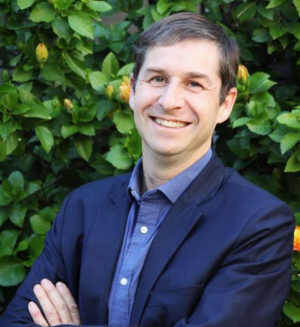 Eyal Oren, PhD, MS, FACE, FATS
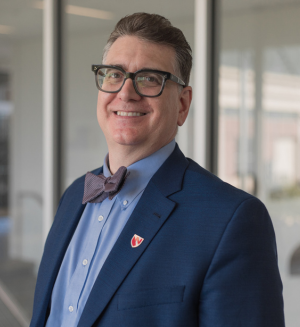 Edward S. Peters, DMD, SM, ScD, FACE
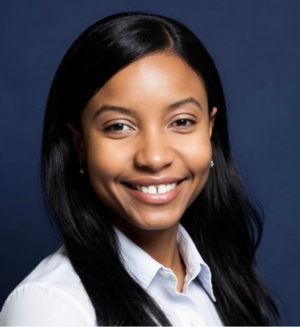 Endia J. Crabtree, PhD, FACE, CDP, BCMAS
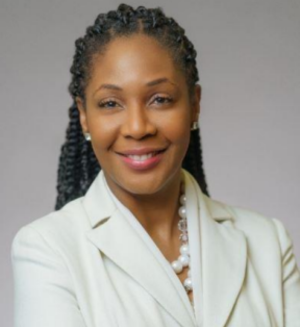 Tekeda Freeman Ferguson, MPH, MSPH, PhD
 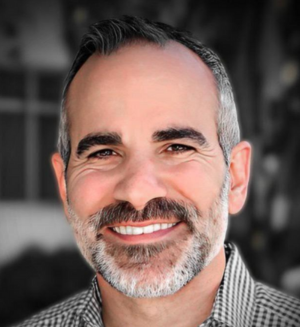 Jason L. Salemi, PhD, MPH, FACE
 Shawanda Daniel, DrPH
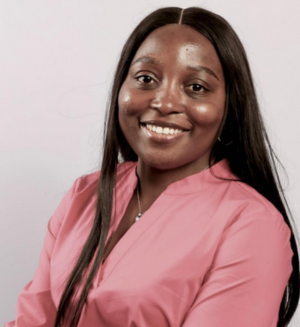 Regina Nwamaka Nechi, BSc, BPharm